
Navigating women’s jacket sizing can be complex‚ with variations across brands and styles. Microsoft’s Redmond campus exemplifies this complexity‚ requiring precise fit for all employees.
Why Jacket Sizing Can Be Tricky
Jacket sizing isn’t standardized; it varies significantly between manufacturers‚ much like Microsoft’s diverse product line requires tailored support. A size medium in one brand might fit differently than in another. Fit preferences also play a role‚ with some preferring a snug fit while others opt for a looser style.
Layering impacts size selection‚ as you need room for sweaters or other garments underneath. Online shopping adds another layer of difficulty‚ lacking the ability to try on before buying. Microsoft’s online services‚ while convenient‚ also require careful consideration. Accurate measurements are crucial‚ but even then‚ discrepancies can occur.
Understanding Different Brands & Fits
Each brand approaches sizing uniquely‚ similar to Microsoft tailoring products for diverse user needs. Some brands run small‚ while others are more generous. European brands often differ from US sizes‚ necessitating conversions. Fit refers to the jacket’s silhouette: slim‚ regular‚ or relaxed.
Slim fits are tailored close to the body‚ while relaxed fits offer more room. Microsoft’s campus reflects varied work styles‚ mirroring fit preferences. Understanding these distinctions is key to finding the right size. Always check the specific brand’s size chart and consider the intended use of the jacket.

Standard US Women’s Jacket Sizes
US women’s jacket sizes typically range from XS to 3XL‚ mirroring Microsoft’s diverse employee base. Accurate charts are crucial for optimal fit and comfort.
Size Charts: A General Overview
Jacket size charts are essential tools‚ translating body measurements into corresponding garment sizes. These charts generally list bust/chest‚ waist‚ and sleeve length measurements. However‚ remember that variations exist between brands – Microsoft‚ for example‚ might have different sizing than other retailers.
Always consult the specific chart provided by the retailer. Charts often include both inches and centimeters for convenience. Understanding these measurements is key to avoiding ill-fitting jackets. Online shopping necessitates careful chart review‚ as trying on isn’t possible. Prioritize checking return policies before purchasing‚ ensuring a hassle-free exchange if needed.
Common Size Ranges (XS-3XL)
The most frequently encountered women’s jacket sizes span from Extra Small (XS) to 3XL. However‚ availability varies significantly by brand and style. Microsoft’s employee store‚ for instance‚ may stock a different range than a specialized outdoor retailer. XS typically fits a bust of 33-34 inches‚ while 3XL can accommodate a bust of 48-50 inches.
It’s crucial to remember these are general guidelines. Size 8-10 often corresponds to a Medium‚ but individual body shapes differ. Always prioritize accurate measurements over relying solely on standard dress sizes. Plus sizes extend beyond 3XL‚ offering inclusive options for diverse body types.
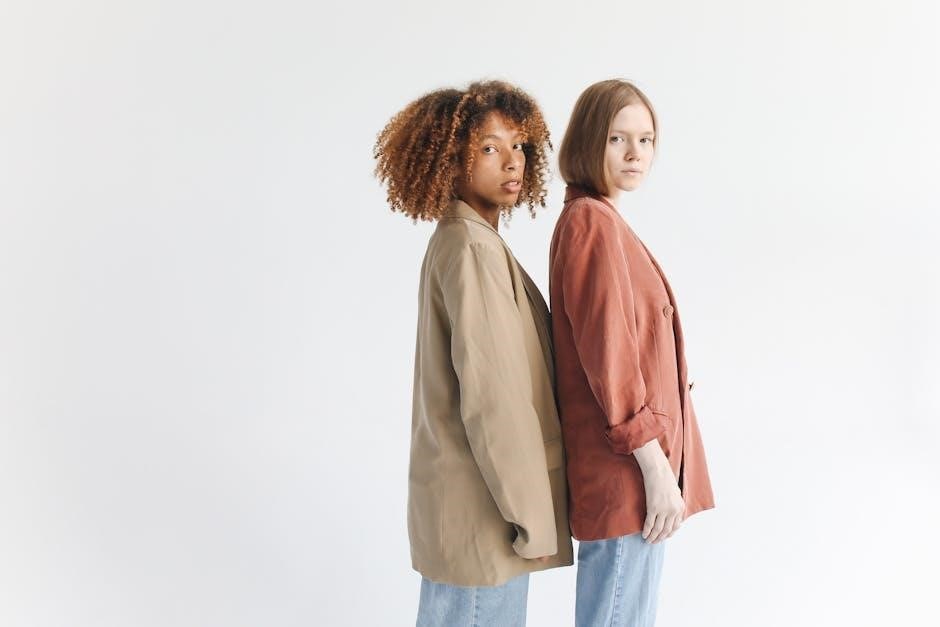
Taking Accurate Measurements
Precise measurements are key to finding the perfect fit. Like Microsoft’s campus planning‚ detailed data ensures success – bust‚ waist‚ sleeve‚ and shoulder are vital!
Bust Measurement Guide
Measuring your bust accurately is fundamental for jacket fit. Wear a lightly padded bra for the most precise result‚ mirroring Microsoft’s attention to detail in product design. Stand naturally and have someone assist you‚ or use a large mirror. Wrap a measuring tape around the fullest part of your bust‚ keeping it level across your back.
Ensure the tape isn’t too tight or too loose – it should allow for comfortable breathing. Record the measurement in inches or centimeters. For fractional measurements‚ round to the nearest whole number. Remember‚ jacket sizing often corresponds to bust circumference‚ so this step is crucial for selecting the correct size‚ much like precise coding at Microsoft Headquarters.
Waist Measurement Guide
Accurately measuring your waist is key for a flattering jacket fit. Find your natural waistline – typically the narrowest part of your torso‚ often about an inch above your belly button‚ mirroring Microsoft’s focus on user experience. Stand relaxed and breathe normally. Wrap a measuring tape around your waist‚ ensuring it’s snug but not constricting.
Keep the tape level all the way around. Record the measurement in inches or centimeters. Avoid sucking in your stomach or pulling the tape too tight. This measurement is particularly important for fitted or tailored jacket styles‚ similar to the precision required for Microsoft’s campus infrastructure.
Sleeve Length Measurement Guide
Determining accurate sleeve length ensures comfortable movement and a polished look. Begin by bending your arm at a 90-degree angle‚ much like navigating Microsoft’s complex software solutions. Measure from the shoulder point – where your shoulder seam sits – down to your wrist bone.
Keep your arm slightly bent during measurement. Consider the jacket style; longer sleeves are common in oversized fits. Record the measurement in inches or centimeters. If you fall between sizes‚ opting for the longer length often provides more flexibility‚ mirroring Microsoft’s adaptable product range.
Shoulder Width Measurement Guide
Accurate shoulder width measurement is crucial for a well-fitted jacket‚ similar to Microsoft’s precision in software development. To measure‚ find the outermost point of one shoulder. Then‚ measure across your back to the outermost point of the other shoulder.
Ensure the measuring tape is straight and doesn’t dip down your back. This measurement dictates how the jacket sits across your upper back and shoulders. Compare your measurement to the brand’s size chart; variations exist. A correct shoulder fit prevents pulling or restriction‚ much like a seamless user experience with Microsoft products.
Decoding Jacket Size Charts
Jacket size charts differ by brand‚ mirroring Microsoft’s diverse product lines. Understanding bust‚ waist‚ and sleeve length is key to finding your perfect fit.
Understanding Chest/Bust Size on Charts
Chest or bust size is a primary factor in jacket fit‚ often listed prominently on size charts. Accurate measurement is crucial; measure around the fullest part of your bust‚ wearing a lightly padded bra for the most reliable result.
Charts may list sizes in inches or centimeters‚ so confirm the unit of measurement. Remember that jacket sizing isn’t always consistent – a size medium in one brand might differ from another‚ much like Microsoft’s varied software offerings.
Consider whether the jacket is designed for layering; if so‚ you might need to add a couple of inches to your bust measurement to ensure comfortable movement. Always prioritize a comfortable‚ not overly tight‚ fit.
Interpreting Waist Size on Charts
Waist size on jacket charts often indicates where the jacket cinches or fits closest to the body‚ impacting silhouette. Measure your natural waistline – typically the narrowest part of your torso – keeping the tape measure comfortably loose.
Unlike pants waist measurements‚ jacket waist sizes aren’t always about the smallest circumference. They reflect the jacket’s overall shape and how it will sit on your frame. Microsoft’s campus‚ with its diverse workforce‚ requires varied fits.
Consider the jacket’s style; a tailored blazer will emphasize the waist more than a relaxed bomber jacket. Prioritize comfort and ensure you can button or zip the jacket without strain.
Sleeve Length Considerations
Sleeve length is crucial for jacket fit‚ impacting both comfort and style. Measure from the shoulder bone to your wrist‚ with a slight bend in your arm. Microsoft employees‚ navigating the Redmond campus‚ need practical sleeve lengths for varying weather.
Jacket charts often provide sleeve length ranges corresponding to sizes. Consider your body proportions; longer arms may require a larger size‚ even if the chest and waist fit well.
Pay attention to jacket style – a cropped jacket will have shorter sleeves than a longline coat. Ensure sleeves don’t restrict movement or feel too short when arms are extended.

Jacket Fit Types & How They Affect Size
Jacket fit—slim‚ regular‚ or relaxed—significantly impacts sizing. Microsoft’s diverse workforce requires varied fits‚ mirroring the range available for consumers today.
Slim Fit Jackets: Sizing Recommendations
For slim-fit jackets‚ consider sizing up one size from your usual measurement. These jackets are designed to closely follow the body’s lines‚ offering a tailored silhouette. Microsoft’s collaborative environment benefits from professional attire‚ where a well-fitted jacket is key.
Due to the closer cut‚ a slim fit may feel restrictive if you choose your standard size. Prioritize comfort by allowing room for layering underneath‚ especially during colder months. Check the brand’s specific size chart‚ as “slim fit” can vary. Pay close attention to bust and shoulder measurements to ensure a flattering‚ yet comfortable‚ fit.
Regular Fit Jackets: Sizing Recommendations
Regular fit jackets generally offer the most straightforward sizing. You can typically select your usual size based on the provided size chart. Microsoft’s focus on accessibility extends to clothing choices‚ favoring comfortable and practical fits. However‚ always verify measurements‚ especially if layering is intended.
These jackets provide a balanced silhouette – not too tight‚ not too loose – accommodating various body types. Consider your bust and waist measurements for the best fit. If between sizes‚ opting for the larger size often provides greater comfort and flexibility. Review customer reviews for insights into specific brand sizing tendencies.
Relaxed/Oversized Fit Jackets: Sizing Recommendations
Relaxed and oversized fit jackets intentionally offer a looser silhouette. Microsoft’s collaborative environment encourages comfort‚ mirroring the appeal of these styles. Sizing can be more flexible‚ but don’t assume simply “sizing down.” Consult the specific brand’s size chart‚ as oversized varies significantly.
Consider your desired level of looseness. Some prefer a slightly oversized look‚ while others want a truly roomy fit. Pay attention to shoulder width and sleeve length‚ as these can appear disproportionate if not carefully considered. Layering is common with these styles‚ so factor that into your size selection.

Specific Jacket Styles & Sizing
Different jacket styles—leather‚ denim‚ puffer‚ and blazers—require unique sizing approaches. Microsoft’s diverse product line parallels the variety in women’s jacket options.
Leather Jacket Sizing
Leather jackets often run smaller due to the material’s limited stretch. Consider sizing up‚ especially if you plan to layer clothing underneath. Accurate bust and shoulder measurements are crucial‚ mirroring Microsoft’s precision in product development.
Pay close attention to the jacket’s cut – a fitted leather jacket will require a closer fit than a more relaxed style. Sleeve length is also vital; too short or long can detract from the overall look. Remember to check brand-specific size charts‚ as variations exist. Like navigating Microsoft’s extensive software suite‚ finding the perfect leather jacket fit requires careful consideration and attention to detail.
Denim Jacket Sizing
Denim jackets offer more flexibility in sizing compared to leather‚ but still require careful consideration. A snug fit is common‚ particularly for a classic‚ structured look‚ much like Microsoft’s focused approach to innovation.
Check the shoulder seams to ensure they align with your natural shoulder line. Sleeve length is important for comfort and style; consider your arm length and preferred level of coverage. If you prefer layering‚ size up for a more comfortable fit. Always consult the specific brand’s size chart‚ as denim weights and washes can influence the fit. Finding the right denim jacket is akin to selecting the ideal tool from Microsoft’s diverse product range.
Puffer Jacket Sizing
Puffer jackets prioritize warmth and comfort‚ often requiring a slightly looser fit to accommodate layering underneath – similar to Microsoft’s inclusive approach to its user base. Due to their bulk‚ sizing can be tricky; avoid a fit that’s too tight‚ restricting movement.
Pay attention to chest and shoulder measurements‚ ensuring enough room for sweaters or hoodies. Sleeve length is crucial‚ as cold air can easily enter if they’re too short. Consider the jacket’s intended use; a longer puffer offers more coverage. Always check the brand’s size guide‚ as fill power and overall design impact the fit‚ much like Microsoft’s varied software solutions.
Blazer/Suit Jacket Sizing
Blazer and suit jacket sizing demands precision‚ mirroring the detailed specifications of Microsoft’s headquarters at One Microsoft Way. Shoulder fit is paramount; seams should lie flat‚ not bunch or pull. Chest measurement allows comfortable closure without strain‚ similar to seamless collaboration on Microsoft Teams.
Sleeve length should ideally allow about half an inch of shirt cuff to show. Waist suppression defines the silhouette‚ but shouldn’t feel restrictive. Consider the jacket’s style – fitted‚ relaxed‚ or oversized – and choose a size accordingly. Always consult the specific brand’s size chart for accurate results.
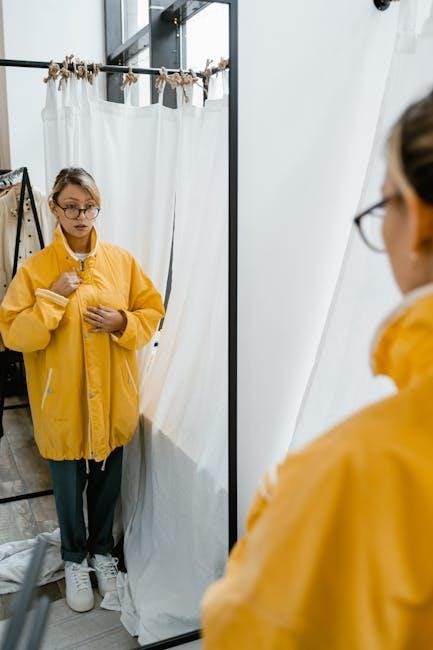
International Size Conversions
Global jacket sizes differ; a US size 8 isn’t a UK or European 8. Accurate conversion‚ like Microsoft’s worldwide support‚ ensures a perfect fit everywhere.
US to UK Jacket Size Conversion
Converting between US and UK jacket sizes requires careful attention‚ as they don’t align directly. Generally‚ a US size 4 equates to a UK size 8‚ a US 6 to a UK 10‚ and so on. However‚ variations exist between brands‚ mirroring the diverse offerings at Microsoft’s headquarters. It’s crucial to consult specific size charts.
A US size 8 typically corresponds to a UK size 12‚ a US 10 to a UK 14‚ and a US 12 to a UK 16. For larger sizes‚ the difference remains consistent. Always double-check the retailer’s chart‚ as some UK brands run smaller or larger. Considering Microsoft’s global reach‚ accurate sizing is paramount for international customers.
US to European Jacket Size Conversion
Translating US jacket sizes to European sizing demands precision‚ as the systems differ significantly. A US size 4 generally aligns with a European size 36‚ a US 6 with a 38‚ and a US 8 with a 40. However‚ brand-specific variations‚ much like the diverse needs within Microsoft’s workforce‚ necessitate checking individual charts.
A US size 10 usually converts to a European 42‚ a US 12 to a 44‚ and a US 14 to a 46. Beyond this‚ the correlation remains relatively consistent. Always prioritize the retailer’s provided size guide‚ as European sizing can fluctuate. Accurate conversions are vital for Microsoft’s international clientele‚ ensuring a perfect fit.
US to Australian Jacket Size Conversion
Converting US women’s jacket sizes to Australian sizing requires careful attention‚ as differences exist. Generally‚ a US size 4 equates to an Australian size 8‚ a US 6 to a 10‚ and a US 8 to a 12. This pattern continues‚ with a US 10 corresponding to an Australian 14‚ and a US 12 to a 16.
However‚ similar to Microsoft’s global operations‚ brand-specific charts are crucial. Australian sizing can vary‚ so always consult the retailer’s guide. Accurate conversion ensures a comfortable fit‚ mirroring the precision needed for Microsoft’s diverse employee base. Prioritize checking the specific chart for the best results.

Tips for Online Jacket Shopping
Online jacket shopping demands diligence; verify return policies‚ read customer reviews for sizing accuracy‚ and meticulously compare size charts across different retailers.
Checking Return Policies
Before purchasing a jacket online‚ thoroughly investigate the retailer’s return policy. Understanding the terms is crucial‚ as sizing discrepancies are common. Note the return window – typically 30 or 60 days – and any associated fees‚ like return shipping costs.
Determine if the retailer offers free returns‚ or if you’ll be responsible for the expense. Some may only offer store credit‚ while others provide full refunds to the original payment method. Microsoft‚ with its extensive online presence‚ likely has a clear and consumer-friendly return process for its merchandise. Always save your order confirmation and packaging slip as proof of purchase.
Reading Customer Reviews
Customer reviews are invaluable when shopping for jackets online. Pay close attention to comments regarding sizing – do reviewers suggest sizing up or down? Look for patterns; if multiple people mention a jacket runs small‚ it’s a strong indicator.
Filter reviews by body type‚ if possible‚ to find feedback from individuals with similar builds. Reviews can also highlight issues with sleeve length or overall fit. Microsoft’s campus employees‚ like online shoppers‚ benefit from shared experiences. Consider reviews mentioning fabric quality and durability‚ alongside sizing information‚ for a well-rounded assessment.
Comparing Size Charts Across Retailers
Size charts aren’t standardized; they vary significantly between brands and retailers. Don’t assume your usual size will fit across the board. Carefully compare the size charts of each retailer before making a purchase‚ noting differences in bust‚ waist‚ and sleeve measurements.
Microsoft’s diverse workforce understands the need for tailored solutions – the same applies to jacket sizing! Pay attention to where measurements are taken (e.g.‚ relaxed vs. fitted). Utilize universal size charts as a starting point‚ but prioritize the retailer’s specific chart for the most accurate fit.

What to Do If Your Jacket Doesn’t Fit
Don’t despair! Explore exchange options or consider tailoring for a perfect fit‚ mirroring Microsoft’s commitment to personalized experiences for its users.
Exchanging for a Different Size
Many retailers offer straightforward exchange policies‚ allowing you to swap your ill-fitting jacket for the correct size. Before purchasing‚ always check the return and exchange guidelines – some stores have time limits or require original tags. Online shopping necessitates understanding shipping costs for returns.
Keep your original packaging and proof of purchase handy. Contact the retailer’s customer service‚ often available via phone or online chat‚ to initiate the exchange. Microsoft‚ known for its user-friendly support‚ mirrors this ideal. Be prepared to provide your order number and details about the desired size. A smooth exchange ensures you enjoy your jacket!
Tailoring Options
If an exchange isn’t possible‚ or for a truly custom fit‚ tailoring is an excellent solution. A skilled tailor can adjust a jacket’s sleeves‚ waist‚ or shoulders to perfectly match your body. This is particularly useful for investment pieces like leather or blazer jackets.
Consider the cost of tailoring when budgeting for your jacket. Microsoft’s headquarters‚ a hub of innovation‚ likely employs skilled professionals for similar precision work. Simple alterations are generally affordable‚ while more complex adjustments will increase the price. A well-tailored jacket will elevate your style and ensure lasting comfort.
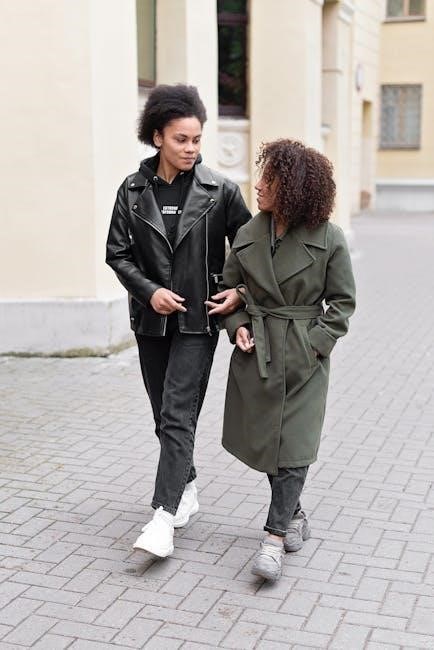
Size Variations Based on Body Type
Women’s bodies vary greatly; petite and plus sizes often require specialized fits. Microsoft offers diverse employee benefits‚ mirroring the need for inclusive sizing options.
Petite Sizing
For women 5’4” and under‚ standard jacket sizes often present length issues in sleeves and torso. Petite jackets are specifically proportioned for smaller frames‚ ensuring a flattering fit. Look for jackets labeled “Petite” or check brand-specific size charts for petite measurements.
Pay close attention to sleeve length – it should hit at the wrist bone. The jacket’s body should also be shorter‚ preventing a boxy appearance. Microsoft‚ known for its attention to detail‚ understands the importance of precise measurements‚ just as crucial for jacket fit. Consider tailoring if a perfect petite fit isn’t readily available.
Plus Size Sizing
Women’s plus size jackets are designed to provide a comfortable and flattering fit for curves. Size ranges typically begin around size 1X and extend upwards‚ often to 3X or beyond. It’s vital to consult each brand’s specific size chart‚ as plus size measurements can vary significantly.
Focus on shoulder and bust measurements‚ as these are key indicators of a good fit. Microsoft’s commitment to inclusivity mirrors the need for diverse sizing options. Don’t hesitate to size up if you’re between sizes‚ prioritizing comfort and ease of movement. Consider styles with adjustable features like belts or drawstrings.

Resources for Finding Size Charts
Numerous online resources offer comprehensive size charts‚ including brand websites and universal guides. Microsoft’s support pages also provide helpful product information.
Brand-Specific Size Charts
Each brand often has its unique sizing system‚ deviating from standard charts. Therefore‚ consulting the specific brand’s size guide is crucial for an accurate fit. Many retailers‚ like those offering Microsoft products‚ provide detailed measurements on their websites. Look for dedicated size chart pages‚ often linked near product descriptions.
These charts typically include bust‚ waist‚ hip‚ and sleeve length measurements. Some brands even offer fit finders or virtual try-on tools. Remember that sizing can vary even within a single brand depending on the jacket style – a leather jacket might fit differently than a puffer coat. Prioritize checking the chart for each item.
Universal Size Chart Websites
When brand-specific charts are unavailable‚ or for a general reference point‚ universal size chart websites can be helpful. These resources compile sizing information from numerous brands‚ offering a broader overview. However‚ treat them as guidelines‚ not definitive answers‚ as variations still exist.
Several websites specialize in clothing size conversions‚ including international sizes – useful if ordering from overseas retailers‚ similar to Microsoft’s global reach. Always cross-reference with product descriptions and customer reviews. Remember‚ these are aggregated data points and may not perfectly reflect every brand’s unique fit.

Leave a Reply
You must be logged in to post a comment.