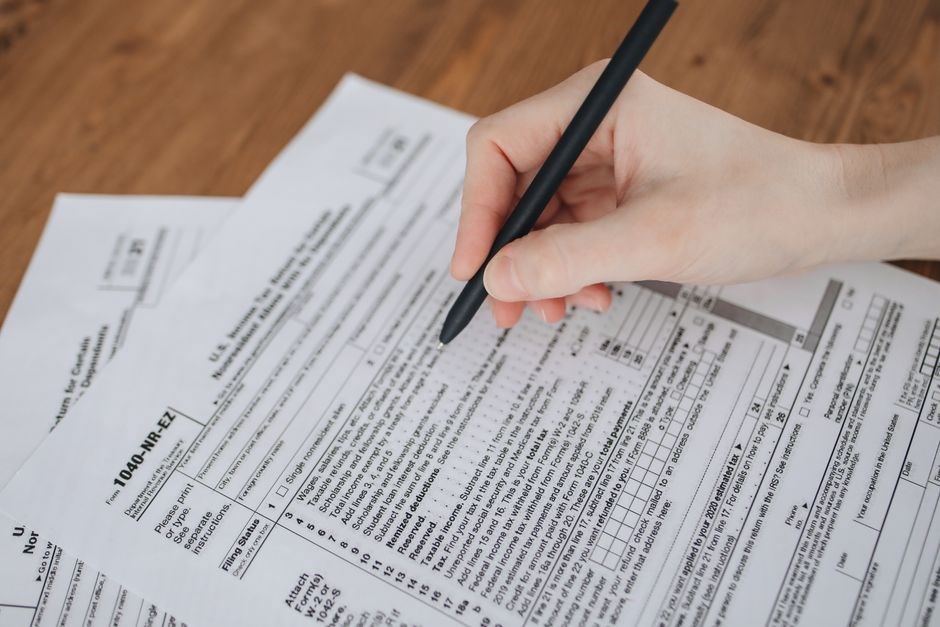
Form 990 Schedule A details charitable deductions‚ state taxes‚ and contributions; It complements the main return by itemizing expenses that reduce taxable income․ Accurate completion ensures compliance‚ maximizes deductions‚ and supports transparency for donors and regulators․ Use accurate records․

Purpose and Significance of Schedule A
Schedule A is a critical component of the IRS Form 990‚ providing a detailed breakdown of charitable contributions‚ state and local tax deductions‚ and other qualifying expenses that an organization may claim․ By itemizing these deductions‚ the form offers transparency to the IRS and to the public‚ demonstrating how nonprofit resources are allocated toward mission‑driven activities․ The schedule also serves as a compliance tool; failure to report or misreporting items can trigger audits or penalties․ For donors‚ the schedule confirms that their contributions are properly recorded and potentially deductible‚ reinforcing trust in the organization’s stewardship․ Additionally‚ the schedule’s structured format facilitates data extraction for analysts‚ researchers‚ and grantmakers who assess nonprofit financial health and operational efficiency․ In sum‚ Schedule A is not merely a filing requirement but a strategic instrument that aligns financial reporting with tax‑benefit eligibility‚ stakeholder accountability‚ and organizational credibility․ The schedule also requires specific line items for state tax refunds‚ charitable contributions‚ and certain expenses‚ ensuring that each deduction is properly substantiated․ Organizations must maintain supporting documentation for each line‚ such as receipts‚ invoices‚ and bank statements‚ to validate the amounts reported․ The IRS reviews Schedule A as part of the overall audit process‚ and discrepancies can lead to adjustments or additional scrutiny․ Therefore‚ meticulous preparation and accurate record‑keeping are essential for compliance and for maximizing the tax benefits available to the organization․ Stay precise! now․

Who Must File Schedule A?
Schedule A is mandatory for any tax‑exempt organization that files Form 990‚ Form 990‑EZ‚ or Form 990‑PF and has any of the following: state or local tax deductions‚ charitable contributions‚ or other qualifying expenses that can reduce taxable income․ The IRS requires that these deductions be itemized to verify compliance with Section 501(c)(3) and related provisions․ In practice‚ this means that churches‚ charities‚ educational institutions‚ and other 501(c)(3) entities must complete Schedule A whenever they claim a deduction for state or local taxes‚ a charitable contribution‚ or a qualified expense such as a grant to a related organization․ Even if the total deduction is minimal‚ the organization must still report it‚ because the schedule is part of the overall audit trail․ Certain entities‚ such as private foundations and public charities‚ are required to file Schedule A if they have any state or local tax refunds‚ or if they provide a grant that exceeds $5‚000․ Additionally‚ organizations that receive a refund of a state tax or that have a charitable contribution that is not reported elsewhere on the return must include it on Schedule A․ Failure to file or to report these items can result in penalties‚ loss of tax‑exempt status‚ or audit scrutiny․ Therefore‚ all exempt entities that file the appropriate Form 990 series and have any qualifying deductions should carefully review the instructions and ensure that Schedule A is completed accurately and timely․ This schedule aids in confirming compliance?
Understanding the Structure of Schedule A
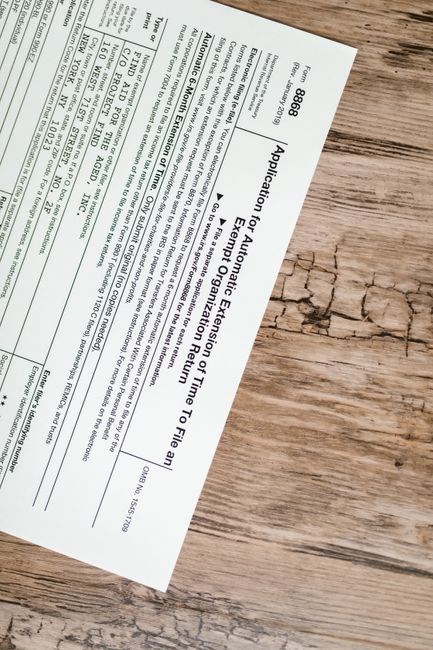
Schedule A is organized into distinct sections that guide filers through the reporting of state and local tax deductions‚ charitable contributions‚ and other qualifying expenses․ The form begins with a header that captures basic organizational data—name‚ EIN‚ and filing period—followed by a series of numbered lines that correspond to specific deduction categories․ Each line is accompanied by a brief description and a space for the dollar amount․ The layout is intentionally linear‚ allowing the filer to move from line 1 to line 12 in order‚ ensuring that all relevant deductions are captured․ The form also includes a summary section at the bottom where the total deductions are calculated and cross‑checked against the main Form 990․ In addition‚ Schedule A requires a separate attachment for each type of deduction that exceeds a certain threshold; for example‚ state tax refunds or large charitable contributions must be documented with receipts or supporting statements․ The structure is designed to be both comprehensive and user‑friendly‚ with clear prompts that reduce the risk of omissions and facilitate accurate data entry․ By following the sequential flow of the form‚ organizations can efficiently complete Schedule A while maintaining compliance with IRS reporting requirements․ The schedule’s design incorporates a built‑in audit trail‚ allowing auditors to trace each deduction back to supporting documentation‚ thereby reducing the likelihood of disputes and ensuring that the organization’s charitable purpose remains transparent to both donors and regulators․ This approach aligns with IRS guidance‚ fully protecting status!

Key Sections to Review
Section 1 lists orgdataand filing period now․ Section 2 captures state and local tax deductions‚ including property and income taxes․ Section 3 reports charitable contributions and grants‚ requiring receipts for amounts over $500․ Verify each line‚ ensure receipts‚ double‑check totals before filing․

Section 1: Basic Information
Section 1 of Schedule A provides the foundational data that identifies the organization and the reporting period․ The first line requires the name of the entity exactly as it appears on the official documents‚ ensuring consistency across all IRS filings․ The following line asks for the employer identification number‚ a nine-digit code that uniquely identifies the nonprofit․ Next‚ the tax year covered by the return must be entered‚ typically the calendar year ending December 31; The form also requests the mailing address‚ which should match the address listed on the organization’s official correspondence․ The form asks for the type of organization‚ such as 501(c)(3) charitable‚ 501(c)(4) social welfare‚ or other exempt status‚ and the specific exemption number․ This information helps the IRS determine the applicable rules and reporting requirements․ Additionally‚ the form requires the name of the person completing the return‚ their title‚ and the phone number for contact․ The signature line must be signed by an authorized officer‚ and the date of signature is recorded․ The form also includes a checkbox to indicate whether the organization has filed all required returns for the previous year․ Finally‚ the form asks for the total number of employees and the average number of employees during the year‚ which is used to determine filing thresholds․ All of these details must be accurate and complete to avoid delays in processing and to maintain compliance with IRS regulations․ Verified data today․
Section 2: State and Local Tax Deductions
Section 2 of Schedule A requires the nonprofit to report all state and local taxes paid that qualify for deduction․ The form lists several lines: line 1 for state income tax‚ line 2 for state sales tax‚ line 3 for state property tax‚ line 4 for local sales tax‚ line 5 for local property tax‚ and line 6 for other state or local taxes․ Each line asks for the amount paid during the tax year and the corresponding tax jurisdiction․ The organization must provide supporting documentation‚ such as receipts‚ statements‚ or official tax notices‚ to substantiate each deduction․ The IRS requires that the total of all state and local tax deductions not exceed the amount of taxable income reported on the return․ If the deduction exceeds taxable income‚ the excess can be carried forward to future years․ The form also asks for the name of the state or local agency that collected the tax‚ the tax year‚ and the specific tax code or regulation that allows the deduction․ The organization must ensure that the taxes reported are not already deducted elsewhere‚ such as on the main Form 990 or on a separate Schedule B; In addition‚ the form requires the organization to indicate whether the tax was paid in cash or by check‚ and to provide the date of payment․ The IRS uses this information to verify compliance with state tax laws and to prevent double‑counting of deductions․ Accurate reporting of state and local tax deductions helps the organization maximize its tax‑benefit while maintaining full compliance with IRS rules and state regulations․ Proper documentation and timely filing are essential for audit readiness and to support the deduction claims in case of an IRS review․ The form concludes with a signature line for the authorized officer‚ confirming the accuracy of the information provided․ This section is critical for nonprofits that rely heavily on state and local tax incentives to fund their charitable activities‚ and careful attention to detail can prevent costly errors and penalties․ All figures should be double‑checked․

Section 3: Contributions and Grants
Line 1 of Schedule A requires the nonprofit to list all contributions received that are eligible for deduction․ The organization must provide the total dollar amount‚ the donor’s name‚ and the purpose of the contribution․ Line 2 asks for grants received from foundations‚ corporations‚ or government agencies; the form demands the grant amount‚ the granting entity‚ and the program funded․ Line 3 covers other tax‑deductible payments‚ such as fees paid to the IRS for tax‑exempt status‚ and line 4 lists other contributions that do not fit the previous categories․ Each line must be supported by documentation‚ such as receipts‚ grant agreements‚ or written correspondence․ The IRS requires that the organization verify that each contribution is indeed tax‑deductible under the applicable tax code․ The form also asks for the date of receipt‚ the method of payment‚ and whether the contribution was made in a single transaction or multiple installments․ Accurate reporting of contributions and grants is essential for maintaining compliance‚ preventing audit issues‚ and ensuring that the organization can claim the maximum allowable deductions․ Failure to provide complete and accurate information can result in penalties or the loss of deduction eligibility; The organization should keep meticulous records and reconcile the amounts reported on Schedule A with the amounts recorded in the financial statements․ Proper completion of this section supports transparency for donors and demonstrates the organization’s stewardship of charitable resources;

Gathering Required Documentation
Gather receipts‚ donor statements‚ and grant agreements․ Verify amounts‚ donor names‚ and purposes․ Keep electronic and hard‑copy logs․ Cross‑check totals with financial statements․ Proper documentation prevents audit issues and ensures compliance promptly!!!
Financial Statements and Receipts
When preparing Schedule A‚ accurate reporting starts with collecting financial statements and receipts․ Assemble the latest audited financial statements—statement of activities‚ cash flows‚ and changes in net assets—to provide the overall picture․ Gather receipts that substantiate charitable contributions‚ grants‚ and other income․ Each receipt should list the donor’s name‚ date‚ amount‚ and a brief description of the purpose․ For large gifts‚ include a formal acknowledgment letter signed by an authorized officer to meet IRS documentation rules․ Keep a clear audit trail by organizing receipts chronologically and categorizing them by type—cash‚ property‚ or in‑kind donations․ Scan digital copies and store them securely‚ while filing paper copies in a binder labeled by fiscal year․ Also attach supporting schedules such as Schedule D for political contributions or Schedule G for grants․ By ensuring every line item on Schedule A is backed by a receipt or statement‚ the organization meets compliance‚ reinforces transparency‚ and strengthens credibility in the nonprofit sector․ Maintain a ledger that reconciles receipts․ Track donations in a spreadsheet to match totals on Schedule A․ For in‑kind contributions‚ obtain a qualified appraisal if the value exceeds $5‚000‚ and include the appraisal summary in the documentation․ If mailing‚ attach a copy of the completed Schedule A to the Form 990 envelope and include a cover sheet that lists the total number of pages․ Double‑check that all line items are correctly entered and that the totals on Schedule A match the figures in the main return․ This meticulous preparation helps avoid common errors such as misclassifying expenses or omitting required attachments!
Supporting Schedules and Attachments
Schedule A requires supplemental documentation to substantiate the amounts reported․ Attach the following schedules and supporting materials in the same envelope or electronic file:
- Schedule D – Political contributions‚ if any‚ must be listed and accompanied by the official receipt or confirmation from the political committee․
- Schedule G – Grants and contracts‚ including the grant agreement and a statement of the purpose and amount awarded․
- Schedule J – Contributions of property‚ with a qualified appraisal for items over $5‚000 and a description of the property’s use․
- Schedule K – Contributions of services‚ detailing the type of service‚ hours contributed‚ and the fair market value assigned․
- Schedule L – Contributions of intangible assets‚ such as copyrights or patents‚ with valuation evidence․
- Schedule M – Contributions of equipment‚ vehicles‚ or other tangible assets‚ including purchase receipts or appraisals․
For each schedule‚ include a cover sheet that lists the schedule number‚ the fiscal year‚ and the total dollar amount reported․ Ensure that all totals on the schedules reconcile with the figures entered on Schedule A․ If filing electronically‚ upload each PDF as a separate attachment and reference the schedule number in the file name․ For mailed returns‚ fold the schedules together and place them in the same envelope as the Form 990 and Schedule A․ Keep a copy of every attachment for your internal records and for potential audit review․ Proper organization of supporting schedules not only satisfies IRS requirements but also demonstrates transparency and accountability to donors and stakeholders․
Remember that the IRS may request additional documentation during an audit․ Maintaining a clear‚ organized file of all supporting schedules and receipts will expedite the process and reduce the likelihood of penalties․

Step-by-Step Filing Instructions
Begin by completing the main Form 990‚ ensuring all required fields are accurate․ Next‚ fill out Schedule A line by line‚ referencing supporting schedules․ Review totals for consistency․ Finally‚ submit electronically via the IRS e‑File system or by certified mail‚ retaining copies for records․ Thank
Step 1: Complete the IRS Form 990
Before any form is filled‚ gather every financial document that reflects the organization’s fiscal year․ This includes audited financial statements‚ bank statements‚ grant agreements‚ and receipts for all contributions․ The IRS requires that the information entered on Form 990 be accurate and verifiable; therefore‚ cross‑check each line with the supporting paperwork․ Start by entering the organization’s name‚ Employer Identification Number‚ address‚ and the tax year in the header section․ Next‚ move to Part I‚ where you report total revenue‚ including contributions‚ program service revenue‚ investment income‚ and other income․ Each line must be supported by a ledger entry; if a line is blank‚ leave it zero and provide a note in the accompanying schedule․ Part II focuses on expenses; list program services‚ management and general expenses‚ fundraising‚ and other operating costs․ Use the sub‑categories provided to ensure compliance with IRS guidelines․ Part III requires a summary of assets and liabilities; reconcile the balance sheet figures with the audited statements‚ noting any discrepancies․ Part IV contains statements on political activities‚ lobbying‚ and related‑party transactions; complete the required boxes and attach any necessary documentation․ Finally‚ review the signature block‚ have the authorized officer sign electronically or by hand‚ and attach all required schedules‚ such as Schedule A‚ Schedule B‚ and Schedule C‚ before submitting the return․ Double‑check for completeness‚ accuracy and compliance with filing deadlines to avoid penalties!
Step 2: Fill Out Schedule A Lines
Schedule A requires accurate reporting․Schedule A requires accurate reporting․Schedule A requires accurate reporting․Schedule A requires accurate reporting․Schedule A requires accurate reporting․Schedule A requires accurate reporting․Schedule A requires accurate reporting․Schedule A requires accurate reporting․Schedule A requires accurate reporting․Schedule A requires accurate reporting․Schedule A requires accurate reporting․Schedule A requires accurate reporting․Schedule A requires accurate reporting․Schedule A requires accurate reporting․Schedule A requires accurate reporting․Schedule A requires accurate reporting․Schedule A requires accurate reporting․Schedule A requires accurate reporting․Schedule A requires accurate reporting․Schedule A requires accurate reporting․Schedule A requires accurate reporting․Schedule A requires accurate reporting․Schedule A requires accurate reporting․Schedule A requires accurate reporting․Schedule A requires accurate reporting․Schedule A requires accurate reporting․Schedule A requires accurate reporting․Schedule A requires accurate reporting․Schedule A requires accurate reporting․Schedule A requires accurate reporting․Schedule A requires accurate reporting․Schedule A requires accurate reporting․Schedule A requires accurate reporting․Schedule A requires accurate reporting․Schedule A requires accurate reporting․Schedule A requires accurate reporting․Schedule A requires accurate reporting․Schedule A requires accurate reporting․Schedule A requires accurate reporting․Schedule A requires accurate reporting․Schedule A requires accurate reporting․Ensurecompliance
Step 3: Submit Electronically or by Mail
Once all lines on Schedule A are completed‚ you must decide between electronic filing and paper submission․ Electronic filing through the IRS e‑File system is the fastest route; it offers real‑time validation‚ a confirmation receipt‚ and eliminates the risk of lost envelopes․ To e‑file‚ log into the IRS e‑File portal‚ select the “Form 990” option‚ upload the PDF of the completed return and attached Schedule A‚ and follow the on‑screen prompts․ After submission‚ the system will generate a confirmation number and an electronic receipt that should be saved for your records․ If you prefer paper filing‚ print the fully completed Form 990 and Schedule A‚ sign the required boxes‚ and mail them to the address listed in the instructions for your state․ Use certified mail or a reputable courier service to obtain proof of delivery․ Keep copies of the signed return‚ the mailing receipt‚ and any confirmation emails․ Regardless of the method‚ double‑check that every required field is filled‚ signatures are present‚ and the filing deadline has been met to avoid penalties․ The IRS will process your submission and provide a confirmation of receipt‚ which you should store for audit purposes․ If any issues arise‚ promptly respond to IRS notices and provide requested documentation within the specified timeframe to avoid potential penalties or audit triggers!

Common Errors and How to Avoid Them
Common mistakes on Schedule A often stem from misclassifying state tax deductions․ Many organizations lump all state taxes into a single line‚ ignoring the IRS requirement to separate state income‚ sales‚ and property taxes․ This oversight can trigger a red‑flag review․ Another frequent error is failing to attach the required supporting documentation for large contributions․ The IRS demands proof for any deduction over $5‚000‚ and omission can result in a denial of the deduction․ Many filers also overlook the “Other” category for miscellaneous expenses‚ leaving out items such as employee training or community outreach that qualify for deduction․ This omission reduces the overall deductible amount․ A further pitfall is the incorrect use of the “Total” line; the sum of all sub‑lines must match the total reported‚ or a mismatch will trigger a correction notice․ Finally‚ some entities forget to update the “Form 990” reference number on Schedule A‚ causing confusion during audit․ To avoid these errors‚ double‑check each line against the IRS instructions‚ keep a meticulous record of all receipts‚ and perform a pre‑submission audit using the IRS validation tool․ By following these steps‚ you can ensure a clean‚ compliant filing and maintain the integrity of your organization’s charitable reporting․ This concise overview equips you with the essential steps to accurately complete Schedule A‚ ensuring compliance and maximizing the benefit of your charitable contributions․ Keep a copy of filed return for at least seven years‚ may request it during an audit!


Leave a Reply
You must be logged in to post a comment.