
In 2020, PDF artists’ books emerged as vital resources, showcasing both female and male artists, offering accessibility and a fresh look at art history’s narratives․
This format provides an immersive experience, exploring diverse lives, innovations, and struggles, challenging traditional perspectives and fostering a deeper appreciation for artistic expression․
The Rise of Digital Artists’ Books in 2020
The year 2020 marked a turning point, dramatically accelerating the adoption of digital formats within the artists’ book community․ Global events necessitated remote access to art and scholarship, positioning PDF artists’ books – featuring both female and male perspectives – as essential resources․
This shift wasn’t merely practical; it democratized access for collectors, students, and artists worldwide․ The PDF format facilitated wider distribution and preservation, circumventing traditional publishing limitations․
Consequently, 2020 witnessed a surge in the creation and consumption of these digital publications, fostering a vibrant exchange of ideas and a renewed focus on diverse artistic voices․
Defining the Artists’ Book Format
The artists’ book transcends the conventional definition of a book, evolving into a unique art form itself․ PDF iterations, showcasing both female and male artists, maintain this core principle – prioritizing artistic expression over traditional textual narrative․
These books are often non-linear, employing visual storytelling, innovative layouts, and incorporating diverse media․ They function as intimate, portable exhibitions, offering a direct connection between artist and audience․
The PDF format enhances this, allowing for embedded images, quotes, and scholarly references, creating an immersive and richly documented artistic experience․

Historical Context: Female Artists in Art History
Historically, female artists faced underrepresentation, a bias highlighted by Spiropoulos’s work on constructed art narratives and Woolf’s ‘Orlando’, impacting recognition and inclusion․
The Underrepresentation of Women Artists
Throughout art history, a significant disparity existed in the recognition afforded to female artists compared to their male counterparts․ This systemic underrepresentation wasn’t accidental; it was woven into the very fabric of art historical narratives, as theorized by Angeliki Spiropoulos․
Traditional art history often prioritized male perspectives, constructing a canon that marginalized women’s contributions․ This bias extended to educational materials, with textbooks demonstrating a clear imbalance in the inclusion of female artists;
Statistical data reveals this disparity; a study of widely used textbooks (2010-2015) showed female artists averaging only 20% representation․ This lack of visibility perpetuated a cycle of exclusion, hindering the acknowledgement of their foundational contributions․
Angeliki Spiropoulos’s Theory: Constructed Art Narratives
Angeliki Spiropoulos’s (2010) insightful theory posits that art history isn’t an objective record, but a carefully constructed narrative․ This narrative, she argues, is shaped by prevailing ideologies and biases, influencing which artists and artworks are deemed significant․
Spiropoulos draws a compelling parallel between the ideas of Walter Benjamin and Virginia Woolf, highlighting their shared understanding of art history’s constructed nature․ Both recognized how power dynamics influence the canon, favoring certain voices over others․
This framework is crucial for understanding the historical marginalization of women artists, whose work was often excluded or undervalued due to gender biases embedded within the art historical narrative․
Walter Benjamin and Virginia Woolf’s Influence
Walter Benjamin’s work on the aura of the artwork and the impact of mechanical reproduction resonates with the digital format of PDF artists’ books, challenging traditional notions of artistic authenticity and accessibility․ His ideas illuminate how democratization of art through reproduction impacts perception․
Virginia Woolf, through novels like Orlando, deconstructed conventional biographical approaches to art history, questioning gendered narratives and highlighting the constructed nature of identity․
Their combined influence provides a critical lens for examining how art history has historically privileged male artists and their perspectives, shaping the canon and obscuring the contributions of women․
Orlando as a Case Study in Gendered Art History
Virginia Woolf’s Orlando serves as a potent case study, illustrating how gender profoundly shapes artistic creation and historical reception․ The novel’s protagonist, shifting between male and female identities, exposes the biases inherent in traditional art historical narratives․
Orlando challenges the notion of a singular artistic genius, demonstrating how societal expectations and gender roles influence both the artist’s work and its interpretation․
Within the context of PDF artists’ books, Orlando highlights the importance of re-evaluating the canon and amplifying the voices of historically marginalized female artists․

Analyzing Representation in Art History Textbooks
Art history textbooks reveal a significant imbalance; on average, only 20% of artists featured between 2010-2015 were female, demanding critical re-evaluation․
Statistical Data: Female Artist Inclusion (2010-2015)
A comprehensive analysis of six widely used art history textbooks, published between 2010 and 2015, reveals a concerning trend regarding female artist representation․ The data consistently demonstrates a significant underrepresentation, with an average of only 20% of the featured artists being women․
This statistic highlights a historical bias in the canonization of artists, perpetuating a narrative that historically favored male contributions; The limited inclusion impacts understanding of art history’s full scope, obscuring the foundational work of numerous talented female artists․
PDF artists’ books are actively addressing this imbalance, providing platforms to showcase and celebrate the often-overlooked achievements of women in the arts․
Trends in Representation: 20th and 21st Century
While historical data reveals significant underrepresentation, the 20th and 21st centuries demonstrate a gradual, yet crucial, shift in the inclusion of female artists․ Though still facing challenges, women are increasingly gaining visibility and recognition within the art world․
This evolving trend is reflected in PDF artists’ books, which actively champion contemporary female artists and re-evaluate historical narratives․ These digital platforms provide space for diverse voices and perspectives, challenging traditional canons․
Female artists are now setting precedents, inspiring future generations and solidifying their foundational contributions to the ongoing evolution of art history․
Foundational Contributions of Early Female Artists
Despite historical marginalization, early female artists laid crucial foundations for subsequent generations․ Their innovative techniques and artistic visions often went unrecognized, yet profoundly influenced the development of art․
PDF artists’ books are instrumental in rediscovering and celebrating these pioneering figures, bringing their work to a wider audience and challenging established art historical narratives․
These digital resources highlight the enduring legacy of these artists, demonstrating their significant contributions and inspiring a more inclusive understanding of art history’s rich tapestry․
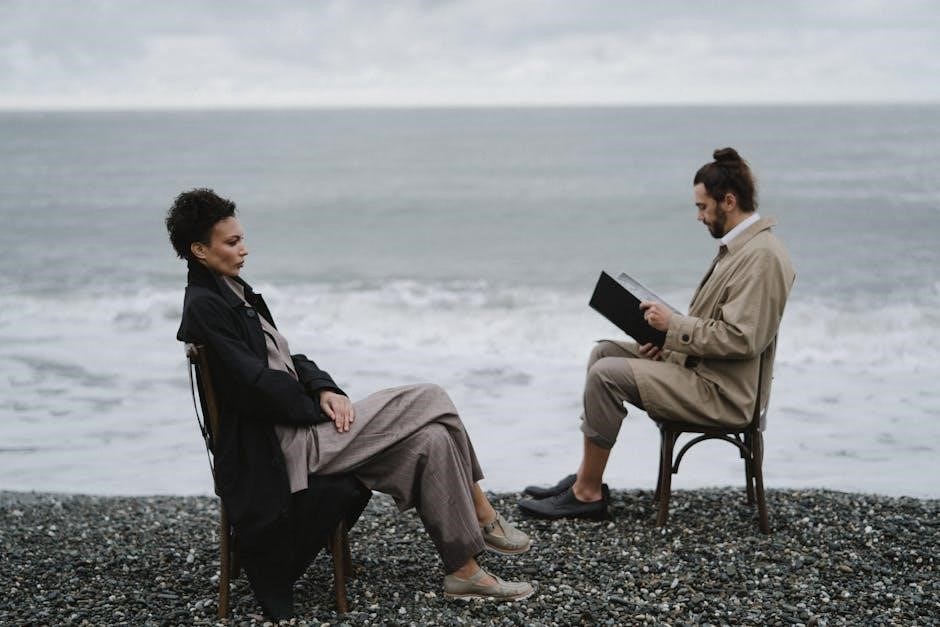
Key Female Artists Featured in PDF Books
PDF books spotlight female artists spanning ancient to contemporary periods, revealing innovations, struggles, and triumphs, and offering a comprehensive view of their impactful legacies․
Ancient to Contemporary Female Artists
These PDF artists’ books present a sweeping panorama of female creativity, beginning with foundational figures from antiquity and extending to groundbreaking contemporary practitioners․ The collection meticulously documents their diverse styles, techniques, and artistic visions, challenging conventional art historical narratives․
It highlights how these artists, despite facing systemic underrepresentation, established precedents for future generations․ The books delve into their backgrounds, influences, and the socio-cultural contexts shaping their work, offering a nuanced understanding of their contributions․ This comprehensive approach ensures a richer, more inclusive appreciation of art history․
Innovations and Techniques of Female Artists
The PDF books meticulously showcase the remarkable innovations and diverse techniques employed by female artists throughout history․ From ancient methods to cutting-edge contemporary approaches, the collection highlights their mastery of various mediums and styles․ These artists weren’t merely imitators; they were pioneers, pushing boundaries and challenging artistic conventions․
The books detail their unique approaches to composition, color theory, and subject matter, revealing a profound understanding of artistic principles․ This exploration demonstrates how female artists consistently contributed to the evolution of art, often overlooked in traditional narratives․
Struggles and Triumphs Faced by Female Artists
The PDF artists’ books poignantly illustrate the systemic struggles endured by female artists throughout history – facing underrepresentation, societal biases, and limited access to education and opportunities․ Despite these obstacles, their unwavering dedication and artistic vision fueled remarkable triumphs․
The narratives reveal resilience, determination, and a refusal to be silenced․ These books celebrate their achievements, highlighting how they navigated a male-dominated art world and left an indelible mark on artistic history, paving the way for future generations․
Exploring Male Artists in PDF Book Formats
PDF books also examine male artists, acknowledging their traditional dominance in art history while exploring the nuances of masculinity and its impact on artistic expression․
Traditional Male Dominance in Art History
Historically, art history has been largely shaped by male perspectives, with male artists receiving disproportionate recognition and representation in textbooks and scholarly discourse․ This dominance isn’t merely a matter of numbers, but a systemic bias reflected in constructed art narratives․
Influenced by thinkers like Walter Benjamin and Virginia Woolf, the PDF artists’ books challenge this imbalance, highlighting how historical accounts have favored male artists, often overlooking the significant contributions of their female counterparts․
The exploration within these digital formats seeks to deconstruct these established hierarchies and offer a more inclusive and equitable understanding of art’s rich tapestry․
Notable Male Artists and Their Works
While acknowledging historical imbalances, PDF artists’ books also explore the contributions of significant male artists, providing context within the broader art historical landscape․ These explorations aren’t about reinforcing past dominance, but about offering a comprehensive view․
The books delve into the works and techniques of these artists, examining how masculinity and artistic expression intertwined during their respective eras․ This includes analyzing their influence, styles, and relationships with critics․
Ultimately, the aim is to foster a nuanced understanding of art history, recognizing both its achievements and its inherent biases․
Masculinity and Artistic Expression
PDF artists’ books critically examine the historical link between masculinity and artistic expression, questioning how societal norms shaped both the art produced and its reception․ The exploration isn’t about essentializing masculinity, but rather deconstructing its influence․
These digital resources investigate how traditional notions of male creativity – often associated with strength, innovation, and dominance – manifested in artistic practice․
Furthermore, they analyze how these expressions were reinforced or challenged by the art world, offering a complex and nuanced perspective on this intersection․

Themes and Motifs in PDF Artists’ Books
PDF books explore gender roles, artist-critic relationships, and visual storytelling, revealing constructed art narratives and challenging historical biases in representation and artistic expression․
Gender Roles and Identity
PDF artists’ books actively deconstruct traditional gender roles, presenting nuanced portrayals of identity through the lens of both female and male artists․ These digital formats offer a platform to challenge historical underrepresentation, particularly of women, and explore how societal expectations have shaped artistic expression․
The books often examine the constructed nature of art history, as highlighted by Spiropoulos’s work on Benjamin and Woolf, revealing how narratives have historically favored male perspectives․ Through diverse artistic voices, these books investigate the complexities of gender, masculinity, and femininity, fostering a more inclusive understanding of artistic identity․
Relationships Between Artists and Critics
PDF artists’ books illuminate the often-complex relationships between artists and the critical establishment, revealing how reception shapes artistic legacies․ These digital resources showcase how female artists, historically marginalized, navigated biased critical landscapes and fought for recognition․
The books detail interactions, collaborations, and conflicts, offering insights into the power dynamics at play․ They explore how critical perspectives, influenced by societal norms, have historically undervalued women’s contributions, and how artists responded to these challenges, forging their own paths and redefining artistic value․
The Power of Visual Storytelling
PDF artists’ books powerfully demonstrate the capacity of visual narratives to transcend traditional art historical accounts․ These digital formats allow for immersive experiences, blending images, text, and scholarly analysis to convey complex stories about artists’ lives and works․
The books showcase how artists, both female and male, utilize visual language to explore themes of gender, identity, and societal norms․ They reveal how artistic choices – composition, color, and symbolism – contribute to compelling narratives, challenging viewers to engage with art on a deeper, more emotional level․

Resources and References within PDF Books
PDF artists’ books enrich understanding through detailed images, quotes from primary sources, and scholarly references, offering valuable resources for further exploration and research․
Images and Visual Documentation
High-quality visual documentation is central to PDF artists’ books, showcasing the artworks themselves with clarity and detail․ These books frequently include reproductions of paintings, sculptures, and other visual media created by both female and male artists․
The inclusion of images isn’t merely aesthetic; it’s crucial for analyzing artistic techniques, styles, and the evolution of art historical movements․ Furthermore, visual documentation extends beyond the artworks themselves, often incorporating archival photographs, sketches, and preparatory studies․
This comprehensive approach allows readers to gain a deeper understanding of the creative process and the context surrounding each artist’s work, enhancing the immersive experience offered by the PDF format․
Quotes and Primary Sources
PDF artists’ books significantly benefit from incorporating direct quotes from the featured artists, offering invaluable insights into their creative philosophies and personal experiences․ These primary sources provide authentic voices, enriching the reader’s understanding beyond secondary interpretations․
Alongside artist statements, these books often include excerpts from contemporary reviews, letters, and other historical documents․ This contextualization illuminates the reception of artworks during their time and reveals the relationships between artists and critics․
Such inclusions strengthen the scholarly value of the PDF format, fostering a more nuanced and engaging exploration of art history․
Scholarly References and Further Reading
Robust scholarly references are crucial within PDF artists’ books, grounding interpretations in established art historical research․ These citations demonstrate the author’s diligence and allow readers to explore topics in greater depth․
Comprehensive bibliographies, including both foundational texts and recent publications, enhance the book’s academic credibility․ Further reading suggestions guide interested individuals toward related scholarship and artistic movements․
Links to online resources, museum collections, and digital archives further expand accessibility, solidifying the PDF format’s potential as a dynamic learning tool․
The Immersive Experience of PDF Artists’ Books
PDF artists’ books deliver artistic genius and emotional resonance, building imaginative worlds that captivate readers with relatable stories and vibrant visual storytelling․
Artistic Genius and Emotional Resonance
These digital books aren’t merely collections of images; they are portals to the artists’ inner worlds․ The PDF format allows for a uniquely intimate connection with the artwork and the artist’s journey․
The carefully curated content evokes powerful emotions, prompting reflection on themes of gender, identity, and the challenges faced by artists throughout history․
The immersive nature of the experience, combined with detailed biographical information and critical analysis, amplifies the resonance of each piece, fostering a profound appreciation for artistic brilliance․
Imaginative Settings and World-Building
PDF artists’ books transcend the limitations of traditional formats, constructing vibrant and evocative worlds through visual storytelling․ These digital spaces aren’t just displays; they are immersive environments․
The book’s structure and design contribute to a sense of place, drawing the reader into the artist’s creative vision․
Whether exploring historical contexts or fantastical realms, these books offer a captivating escape, enriching the understanding of the artwork and the artist’s unique perspective․

The Significance of PDF Format for Artists’ Books
PDFs offer accessibility, remote access, and cost-effective distribution for artists’ books, preserving art history and enabling wider engagement with diverse female and male artists․
Accessibility and Remote Access
The PDF format democratizes art access, removing geographical barriers and allowing scholars, students, and enthusiasts worldwide to explore artists’ books featuring both female and male creators․ This is particularly crucial given the 2020 shift towards remote learning and art viewing․
Digital distribution bypasses traditional publishing limitations, making previously unavailable works accessible․ PDFs enable instant downloads, fostering a more inclusive and expansive understanding of art history, and highlighting the contributions of often underrepresented female artists alongside their male counterparts․
This broadened reach is vital for continued scholarship and appreciation․
Preservation and Archiving
PDFs offer a robust solution for preserving fragile artists’ books, both those featuring female and male artists, safeguarding them against physical deterioration and loss․ Digital archiving ensures long-term accessibility, protecting these valuable cultural artifacts for future generations of researchers and art lovers․
Unlike physical copies, PDFs are immune to damage from handling, environmental factors, or natural disasters․ This digital preservation is especially important for unique or limited-edition artists’ books, ensuring their continued availability and study․
It’s a vital step in art historical documentation․
Cost-Effectiveness and Distribution
PDF artists’ books, showcasing both female and male creators, dramatically reduce production and distribution costs compared to traditional print editions․ Eliminating printing, shipping, and storage expenses makes these books more affordable and accessible to a wider audience globally․
Digital distribution via online platforms allows for instant access, bypassing geographical limitations and reaching collectors, students, and enthusiasts worldwide․ This cost-effectiveness empowers artists to share their work independently and fosters a more democratic art ecosystem․
It’s a financially viable option for artists․

Future Trends in Digital Artists’ Books
Digital artists’ books will likely integrate interactive and multimedia elements, alongside collaborative projects and potentially, artificial intelligence, enhancing the immersive experience․
Interactive and Multimedia Elements
The future of PDF artists’ books hinges on embracing dynamic content․ Imagine embedded videos showcasing artists’ processes, or interactive timelines charting historical contexts․ Hyperlinks could connect related works and critical analyses, fostering deeper engagement․
Augmented reality features might overlay digital art onto the reader’s physical space, blurring boundaries between the virtual and real․ Soundscapes and musical scores could accompany visual narratives, creating multi-sensory experiences․
These elements will transform static PDFs into living, breathing artworks, offering unprecedented levels of immersion and personalized exploration for both female and male artists’ creations․
Collaborative Artists’ Books
PDF format uniquely facilitates collaborative artists’ books, transcending geographical limitations․ Artists, regardless of gender, can contribute remotely, weaving together diverse perspectives and styles․ Imagine a book built layer by layer, with each artist adding their voice to a shared narrative․
These projects could involve writers, musicians, and visual artists, creating truly interdisciplinary experiences․ Shared digital workspaces would allow for real-time feedback and co-creation․
This collaborative spirit fosters innovation, challenging traditional notions of authorship and expanding the possibilities of the artists’ book form for both female and male contributors․
The Role of Artificial Intelligence
Artificial Intelligence (AI) is poised to revolutionize PDF artists’ books, offering new tools for creation and analysis․ AI could assist in image generation, stylistic experimentation, and even the automated layout of book pages, benefiting both female and male artists․
Furthermore, AI can analyze vast datasets of art history, identifying patterns of representation and potentially mitigating biases in the selection of featured artists․ Imagine AI curating a book that actively seeks to redress historical imbalances․
However, ethical considerations are crucial, ensuring AI enhances, rather than replaces, human artistic expression․


Leave a Reply
You must be logged in to post a comment.