
2JZ Manual Gearbox: A Comprehensive Guide
Exploring 2JZ manual swaps involves options like the R154, W58, and BMW gearboxes, requiring adapter plates and careful clutch/flywheel selection for optimal performance.
Embarking on a 2JZ manual gearbox swap is a popular modification for Toyota and Nissan vehicles, enhancing driving engagement and control. Originally equipped with automatics, models like the Supra, Chaser, and Soarer benefit greatly from a manual conversion. This process involves selecting a compatible gearbox – options include the robust Toyota R154 and W58, or even BMW transmissions with adapter plates.
The swap isn’t simply a bolt-on affair; it demands careful consideration of components like adapter plates, clutch kits, flywheels, driveshaft modifications, and potentially, custom gearbox mounts. Understanding these nuances is crucial for a successful and reliable conversion, unlocking the full potential of the 2JZ engine.
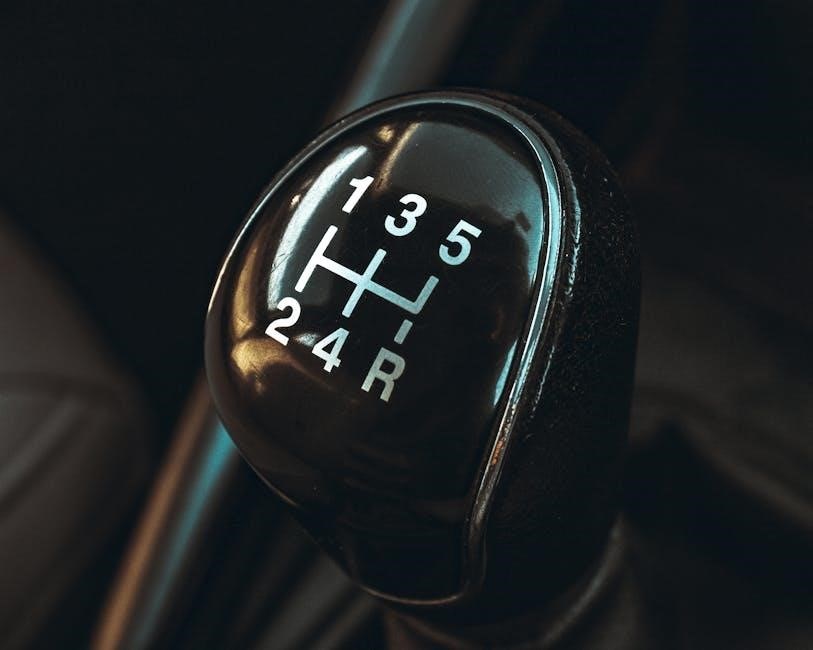
Popular 2JZ Manual Gearbox Options
Several manual gearbox choices exist for the 2JZ engine, each with unique characteristics. The Toyota R154, sourced from the Soarer JZZ30, is a favorite for its strength and direct feel, readily adapting to 1JZ and 2JZ engines. The W58, while lighter, is generally recommended for naturally aspirated 2JZ builds.
BMW gearbox adaptations, like the M50/M52/M57 and the newer M57N/GS6-53DZ, offer cost-effective alternatives when paired with appropriate adapter plates. Modern options like ZF 5, GS5-39DZ, Getrag 420G, and even ZF 8HP automatics can also be adapted, expanding the possibilities for a tailored transmission setup.
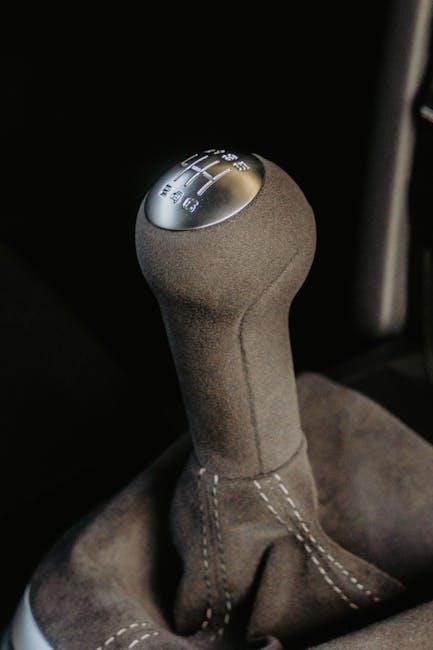
Toyota R154 Gearbox
The Toyota R154 is a robust 5-speed manual transmission frequently chosen for 2JZ swaps. Originating from vehicles like the Toyota Soarer JZZ30, it’s known for its durability and ability to handle significant power. It’s a direct-fit option when using a JZ bellhousing, compatible with both 1JZ and 2JZ engines found in models like the Chaser JZX81/90/100 and Supra JZA80.
Swap kits typically include the gearbox, shifter, transmission mount, and slave cylinder. However, inspection plates for the bell housing, clutch fork, yoke, or speed sensor are usually sold separately.
R154 Specifications and Characteristics
The Toyota R154 gearbox boasts a reputation for strength, handling substantial torque from modified 2JZ engines. It’s a traditional mechanical gearbox, lacking the complexity of modern electronically controlled transmissions. Typically found with a 3.70:1 final drive ratio, it offers a balance between acceleration and cruising ability.
It features a robust internal construction, making it suitable for high-horsepower applications. However, it’s heavier than some alternatives like the W58. The R154 utilizes a cable-operated clutch, requiring appropriate cable and adjustment for a smooth engagement.
R154 Compatibility with 1JZ and 2JZ Engines
The R154 gearbox demonstrates excellent compatibility with both the 1JZ and 2JZ engines, particularly when utilizing a JZ bellhousing. This direct-fit bellhousing simplifies the swap process, eliminating the need for extensive modifications. It’s commonly sourced from Toyota Soarer JZZ30 vehicles. Compatibility extends to various chassis like the Chaser JZX81/90/100 and Supra JZA80.
However, ensure the chosen R154 is in good condition, as age and mileage can affect performance. Proper alignment and a suitable clutch kit are crucial for a successful and reliable installation with either engine.
Toyota W58 Gearbox
The Toyota W58 gearbox presents a cost-effective, though less robust, option for naturally aspirated (NA) 2JZ engines. While capable, it’s generally not recommended for high-horsepower 2JZ-GTE builds due to its limitations. It’s a lighter-weight alternative, making it suitable for street applications where extreme durability isn’t paramount.
For NA 2JZ setups, the W58 offers a simpler installation compared to the R154. However, consider its weaker internals when planning modifications or anticipating increased power output. Careful inspection and maintenance are vital for longevity.
W58 Gearbox: Strengths and Weaknesses
The W58’s primary strength lies in its affordability and relative ease of sourcing, making it a budget-friendly choice for 2JZ manual swaps, particularly with NA engines. It’s also lighter than the R154, contributing to a better weight distribution. However, its weaknesses are significant. The W58’s internals are not as durable, struggling with the torque of a boosted 2JZ-GTE.
Common failure points include worn synchronizers and a relatively fragile gearset. It’s best suited for lower power applications and requires diligent maintenance to ensure reliability. Upgrading internal components is possible, but can quickly negate the cost savings.
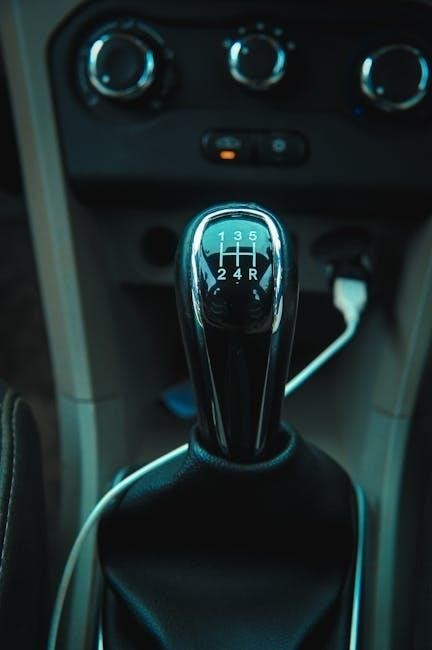
W58 Suitability for NA 2JZ Engines
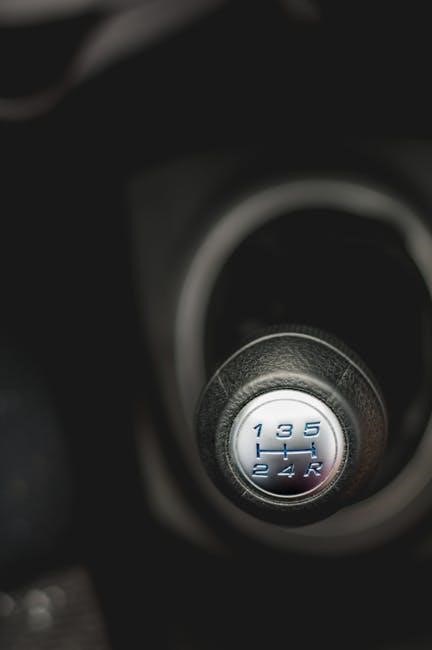
The Toyota W58 gearbox is generally considered a suitable option for naturally aspirated (NA) 2JZ engines, offering a cost-effective entry point into manual conversions. Its lighter weight compared to the R154 enhances handling, and it adequately handles the lower torque output of the NA 2JZ-GE. However, it’s crucial to understand its limitations.
While sufficient for stock or mildly modified NA engines, pushing power levels significantly increases the risk of failure. Regular maintenance and careful driving habits are essential. For those prioritizing budget and simplicity with an NA 2JZ, the W58 presents a viable, though not invincible, solution.
BMW Gearbox Adaptations
Adapting BMW gearboxes to the 2JZ engine presents a compelling alternative, offering robust options like the M50, M52, M57, S50, S52, and S54 series. These transmissions, commonly found in BMW models like the E39 530d and E46 330d, demonstrate excellent durability and compatibility with both turbocharged and naturally aspirated 2JZ variants.
However, successful integration necessitates the use of adapter plates to bridge the differing bolt patterns. The BMW M57N/GS6-53DZ gearbox is also a popular choice, providing a modern 6-speed configuration. Careful consideration of bellhousing alignment and clutch compatibility is paramount for a reliable conversion.
BMW M50/M52/M57 Gearbox Compatibility
BMW M50, M52, and M57 gearboxes offer a cost-effective and readily available solution for 2JZ manual swaps. These transmissions, originally fitted to various BMW models like the 530d E39 and 330d E46, are known for their strength and relatively simple construction. Compatibility extends to both 1JZ and 2JZ engines, including naturally aspirated versions.
However, a crucial element is the adapter plate, essential for aligning the BMW gearbox with the Toyota engine; Proper clutch selection is also vital, ensuring compatibility with the BMW input shaft and the 2JZ flywheel. Careful planning and component sourcing are key to a successful conversion.
BMW M57N/GS6-53DZ Gearbox Compatibility
The BMW M57N/GS6-53DZ gearbox, found in diesel models like the 525d and 530d E60, presents a robust option for 2JZ manual conversions. This 6-speed transmission offers improved gearing compared to older BMW units, enhancing both acceleration and highway cruising. Like the M50/M52/M57, it’s compatible with both 1JZ and 2JZ engines, including naturally aspirated variants.
Successful implementation requires a suitable adapter plate to mate the BMW gearbox to the Toyota engine. Clutch compatibility must be carefully considered, selecting a unit designed for the BMW input shaft and 2JZ flywheel. This setup provides a strong and reliable drivetrain solution.
Adapter Plates and Conversion Kits
Adapter plates are crucial for successfully mating non-Toyota gearboxes to the 2JZ engine. Aluminum adapter options unlock compatibility with a wide range of transmissions, including ZF 5-speeds, GS5-39DZ, GS6-53DZ/BZ, and Getrag 420G models. Modern automatics like the ZF 8HP and Getrag DCT DK are also supported with specialized adapters.
Complete conversion kits often bundle the adapter plate with necessary hardware like pilot bearings, alignment tools, and sometimes even clutch and flywheel options. These kits simplify the swap process, ensuring proper alignment and component compatibility for a reliable drivetrain.
Aluminum Adapter Plate Options
Aluminum adapter plates represent a popular choice for 2JZ manual swaps due to their lightweight nature and excellent machinability. These plates facilitate the connection between the 2JZ engine and various manual transmissions, expanding gearbox options beyond Toyota’s offerings. They enable compatibility with BMW gearboxes like the M50, M52, and M57 series, as well as Getrag and ZF transmissions.
High-quality aluminum plates ensure precise alignment and a secure fit, minimizing vibration and maximizing power transfer. Careful selection based on the target gearbox is vital for a successful conversion, ensuring proper bolt patterns and crankshaft alignment.
Gearbox Compatibility with Adapter Plates (ZF, Getrag, etc.)
Adapter plates unlock a wide range of gearbox compatibility for the 2JZ. Popular choices include ZF 5-speed, GS5-39DZ, and the robust GS6-53DZ/BZ gearboxes, offering increased strength and gear ratios. Getrag 420G transmissions are also frequently used, known for their durability and precise shifting. Modern automatics, like the ZF 8HP and Getrag DCT DK, can even be adapted with specialized plates.
Successful adaptation requires verifying bolt patterns and input shaft splines. Proper alignment is crucial to prevent premature wear and ensure smooth operation. Researching specific adapter plate kits designed for the 2JZ and chosen gearbox is essential.
Clutch Considerations for 2JZ Manual Swaps
Clutch selection is paramount for a successful 2JZ manual swap, dictated by power levels and intended use. For naturally aspirated 2JZ engines, a robust single-plate clutch often suffices, providing excellent driveability. However, turbocharged 2JZ-GTE builds demand greater clamping force. Twin-plate clutches are highly recommended for high-horsepower applications, preventing slippage under extreme load.
Compatibility hinges on the chosen gearbox; adapter plates often dictate clutch disc size and spline count. Consider pressure plate clamping force and disc material (organic, ceramic, or metallic) to match driving style and power output.
Clutch Type Selection (Single vs. Twin Plate)
Choosing between single and twin-plate clutches for a 2JZ manual swap depends heavily on engine output. Single-plate clutches offer simplicity and lighter pedal feel, suitable for naturally aspirated 2JZ-GE engines or moderately powered 2JZ-GTE builds. However, they can struggle with high boost and aggressive driving.
Twin-plate clutches provide significantly increased clamping force, essential for handling the torque of a heavily modified 2JZ-GTE. While offering superior performance, they typically exhibit a heavier pedal feel and potentially more aggressive engagement. Consider driving style and power goals when making this crucial decision.
Clutch Compatibility with Different Gearboxes
Clutch compatibility varies significantly based on the chosen gearbox. R154 transmissions typically utilize a specific clutch disc size and spline count, often requiring a dedicated 2JZ R154 clutch kit. BMW gearbox adaptations, like those using M50 or M57 series, demand clutches tailored to BMW input shaft dimensions and bolt patterns.
Adapter plates introduce further complexity, necessitating clutches designed to work with the combined flywheel and gearbox setup. Ensuring proper clutch disc centering and throw-out bearing compatibility is vital. Careful research and selecting a kit specifically designed for the 2JZ and chosen gearbox is crucial for a successful swap.
Flywheel Options for 2JZ Manual Conversions
Selecting the correct flywheel is paramount for a successful 2JZ manual conversion. Options range from lightweight aluminum flywheels, enhancing engine responsiveness, to heavier steel flywheels, providing increased inertia for smoother launches. Compatibility hinges on the chosen gearbox; R154, W58, and BMW gearboxes each require specific bolt patterns and crankshaft flange designs.
When using adapter plates, a flywheel designed for the adapter plate and gearbox combination is essential. Considerations include clutch type (single or twin-plate) and desired weight. Ensuring proper balance is critical to prevent vibrations and premature bearing wear. Accurate flywheel selection guarantees optimal performance and longevity.
Driveshaft Modifications and Considerations
Adapting the driveshaft is crucial following a 2JZ manual swap, as the original automatic driveshaft will not fit. Modifications often involve shortening the driveshaft to accommodate the new gearbox’s output flange position. Custom driveshafts are frequently required, demanding precise measurements for correct length and U-joint angles.
Considerations include the driveshaft’s material (steel or aluminum), spline count, and balancing. Proper U-joint selection is vital for durability and minimizing vibrations. Ensuring correct driveline angles prevents premature wear on the gearbox output shaft and differential. A professionally built and balanced driveshaft is a worthwhile investment.
Bellhousing Compatibility and Swapping
Bellhousing selection is key for a successful 2JZ manual swap, particularly when adapting non-Toyota gearboxes. The JZ bellhousing is ready for bolting to 1JZ or 2JZ engines found in vehicles like the Chaser JZX81/90/100. When using BMW gearboxes (M50, M52, M57), a specific adapter plate is essential to mate the BMW gearbox to the 2JZ engine block.
Adapter plates ensure proper alignment and sealing. Inspect plates around the clutch fork, yoke, or speed sensor, as these often aren’t included with the gearbox itself. Careful alignment during installation prevents damage and ensures smooth operation.

Gearbox Mounts and Installation
Proper gearbox mounting is crucial for a reliable 2JZ manual swap. Kits often include a transmission mount designed for the chosen gearbox, ensuring correct positioning and vibration dampening. Installation requires careful attention to alignment, securing the mount to both the chassis and the gearbox itself.
Verify the mount doesn’t interfere with exhaust components or driveshaft clearance. Some swaps may necessitate custom fabrication of mounts for optimal fitment, especially when using non-standard gearbox combinations. Double-check all bolts are tightened to the manufacturer’s specifications for a secure installation.
Slave Cylinder Options (Internal vs. External)
Choosing between internal and external slave cylinders impacts pedal feel and complexity during a 2JZ manual swap. Internal slave cylinders, like those found in the 370Z/G37 JK40C/JK41B transmissions, are concentric and simplify plumbing, but can be harder to access for maintenance.
External slave cylinders, common with the R154, require a hydraulic line but offer easier replacement. Consider the gearbox’s design; some, like the 370Z/G37 units, do not have a clutch fork provision. Proper bleeding is vital for both types to ensure smooth clutch engagement and prevent air bubbles.
Shifter Options and Adjustments
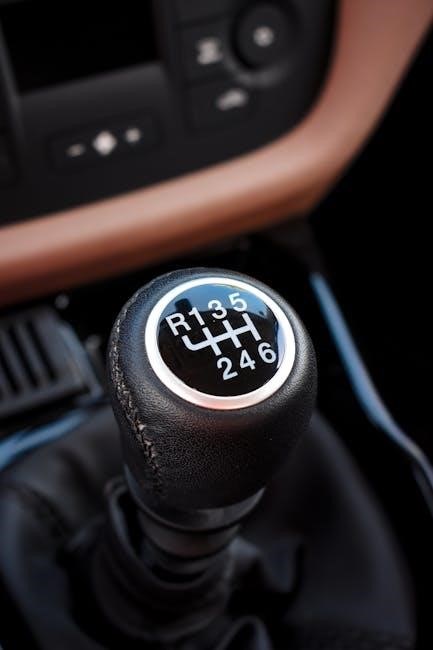
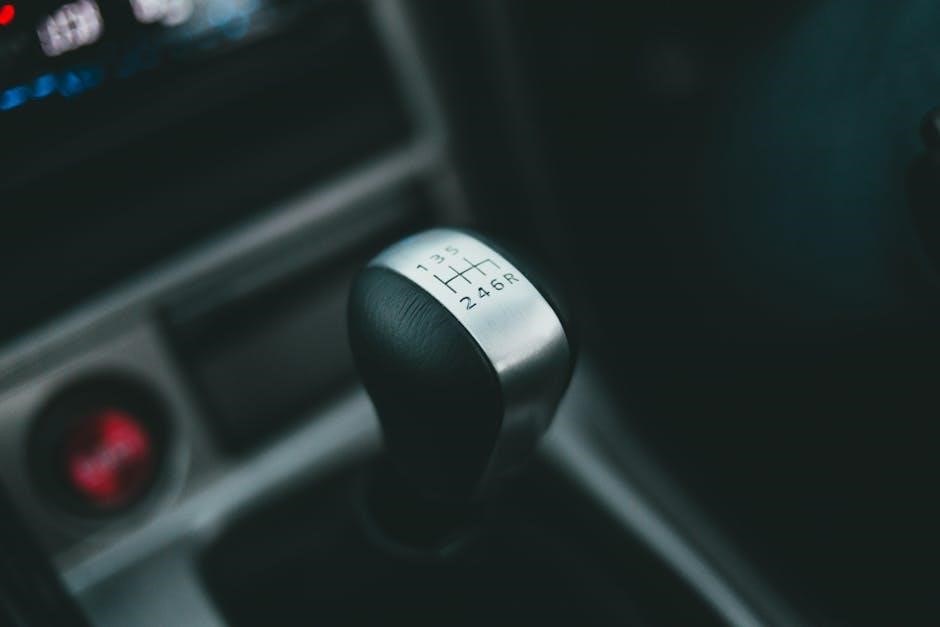
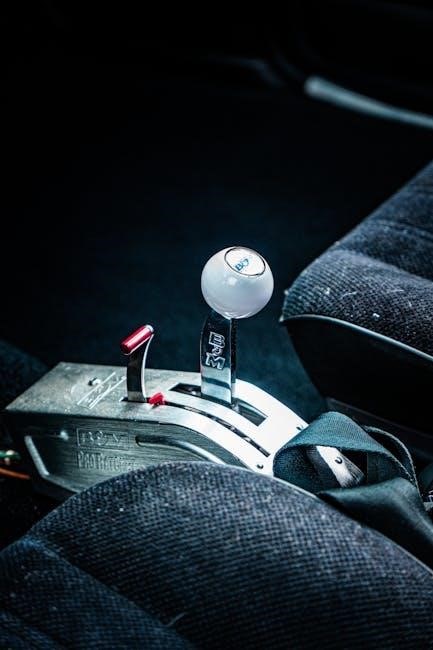
Selecting the right shifter is crucial for a satisfying 2JZ manual swap experience. The R154 gearbox, often sourced from Toyota Soarer JZZ30, comes with its original shifter, but aftermarket options offer improved feel and shorter throws. BMW gearbox conversions necessitate a compatible shifter mechanism, potentially requiring custom fabrication or adapter solutions.
Precise shifter adjustments are vital for accurate gear selection. This involves fine-tuning linkage or cable travel to eliminate binding and ensure smooth engagement. Proper adjustment minimizes notchiness and maximizes driving enjoyment, contributing significantly to the overall swap quality.
Common Issues and Troubleshooting
Post-swap, several issues can arise. Difficulty selecting gears often points to improper shifter adjustment or linkage binding, requiring careful re-evaluation of the setup. Clutch slippage indicates inadequate clamping force, necessitating clutch replacement or upgrade; Unusual noises may stem from gearbox wear, requiring inspection and potential rebuild.
Oil leaks around the bellhousing or gearbox case suggest faulty seals, demanding replacement. Vibrations can indicate driveshaft imbalance or worn engine/gearbox mounts. Thoroughly checking all connections and fluid levels is crucial for diagnosing and resolving these common 2JZ manual swap problems.
Cost Breakdown of a 2JZ Manual Swap
A 2JZ manual swap’s cost varies significantly. The gearbox itself (R154 or BMW) ranges from $800 to $2500. Adapter plates add $300-$800, while a new clutch kit costs $300-$600. Driveshaft modifications typically run $200-$500. Don’t forget the flywheel ($200-$400) and potentially a new slave cylinder ($100-$300).
Installation labor, if outsourced, can add $800-$2000. Unexpected costs like bellhousing modifications or custom shifter solutions can inflate the budget. A conservative estimate for a complete swap, including parts and labor, is $2500-$6000, depending on component choices and shop rates.
Resources and Where to Find Parts
Sourcing 2JZ manual swap components requires exploring several avenues. Online marketplaces like eBay and Craigslist frequently list used R154 and W58 gearboxes. Dedicated Toyota forums (Supramania, MKIV Supra forums) are invaluable for finding parts and advice. Specialist conversion companies offer complete kits, including adapter plates and clutch setups.
BMW gearbox parts can be sourced from BMW-specific forums and parts suppliers. Local transmission shops may rebuild or modify gearboxes. Remember to verify seller reputation and component condition before purchasing. Careful research and networking are key to a successful and cost-effective build.

Future Trends in 2JZ Manual Gearbox Swaps
The future of 2JZ manual swaps leans towards utilizing modern, robust transmissions. Expect increased adoption of BMW GS6-53DZ and ZF 8HP automatics (converted to manual) via advanced adapter plates. Digital shift controllers and CAN bus integration will become more common, enhancing drivability. Lightweight aluminum adapter plates will gain popularity, reducing overall weight.
Furthermore, 3D-printed components and readily available plug-and-play wiring harnesses will simplify installations. The demand for stronger clutches capable of handling increased power will also drive innovation in this area, ensuring reliability.



Leave a Reply
You must be logged in to post a comment.